A few years ago, a new acronym appeared in the lexicon: FOMO. Fear of missing out. Since then, I’ve certainly experienced my fair share. On days when all my friends were busy, I’d find myself looking longingly out my New York City window at the crowds below. On nights where my only plans were watching Netflix in bed, Instagram stories reminded me that everyone else was having more fun and living better. But that was in my early twenties. Now, I’m older, wiser. I’ve grown up. I’ve moved forward. And my FOMO has been forgotten … or so I thought. Turns out, it doesn’t matter how old you are—when you’re traveling, the FOMO is always real.
Medellín
In Medellín, El and I travelled pedal to the metal. There were 9 AM walking tours to do and important museums to visit. There were early-morning buses to take to small, vibrant towns outside the city, and incredible night clubs to enjoy (which we tried to rally for before falling asleep). We wanted to do it all.
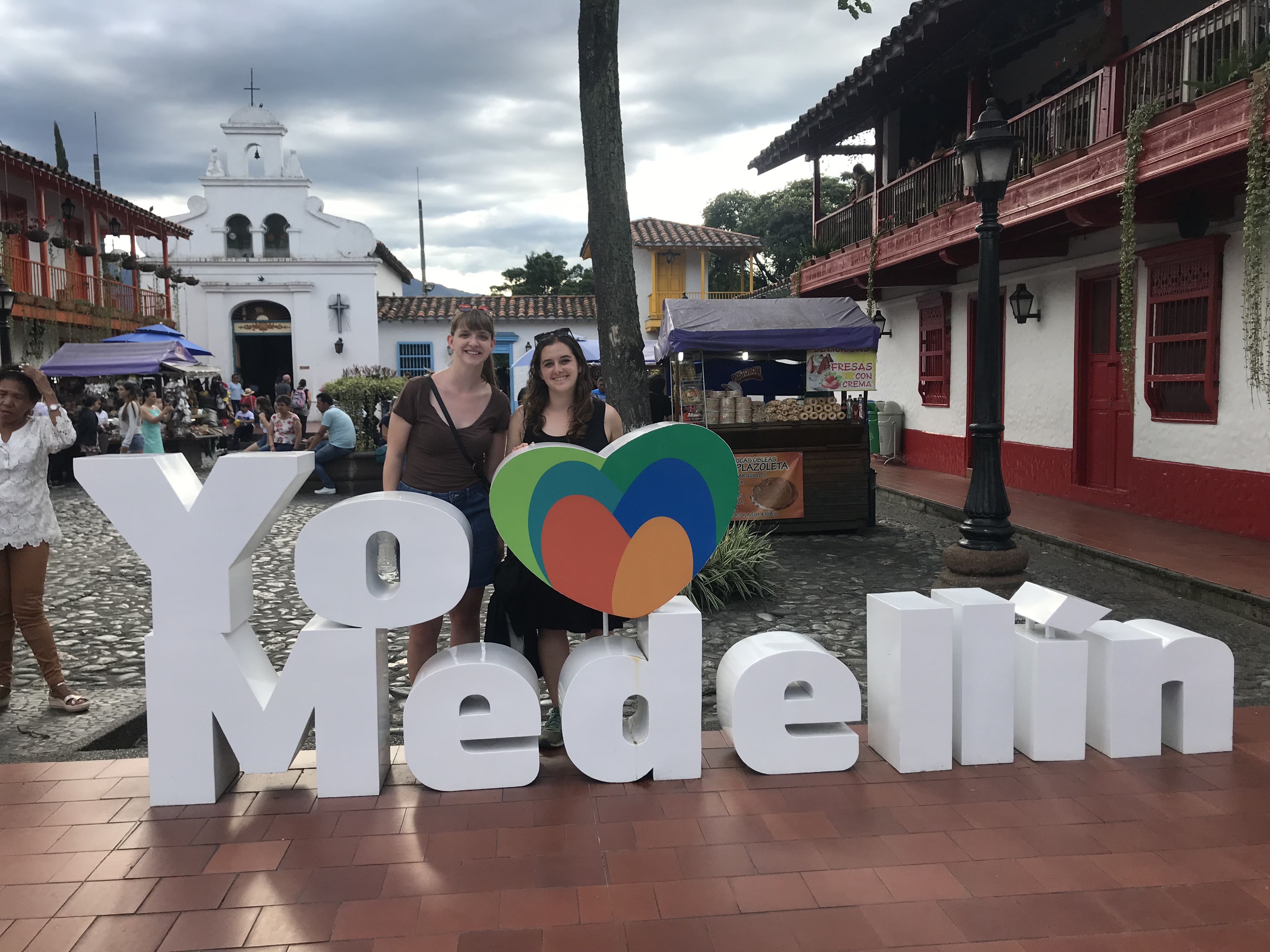
So when El left, my first thought was, “Now what?” I had a full week to myself—and the only item on my agenda was to get to Bogota, so I could catch a flight to Quito the following Tuesday.
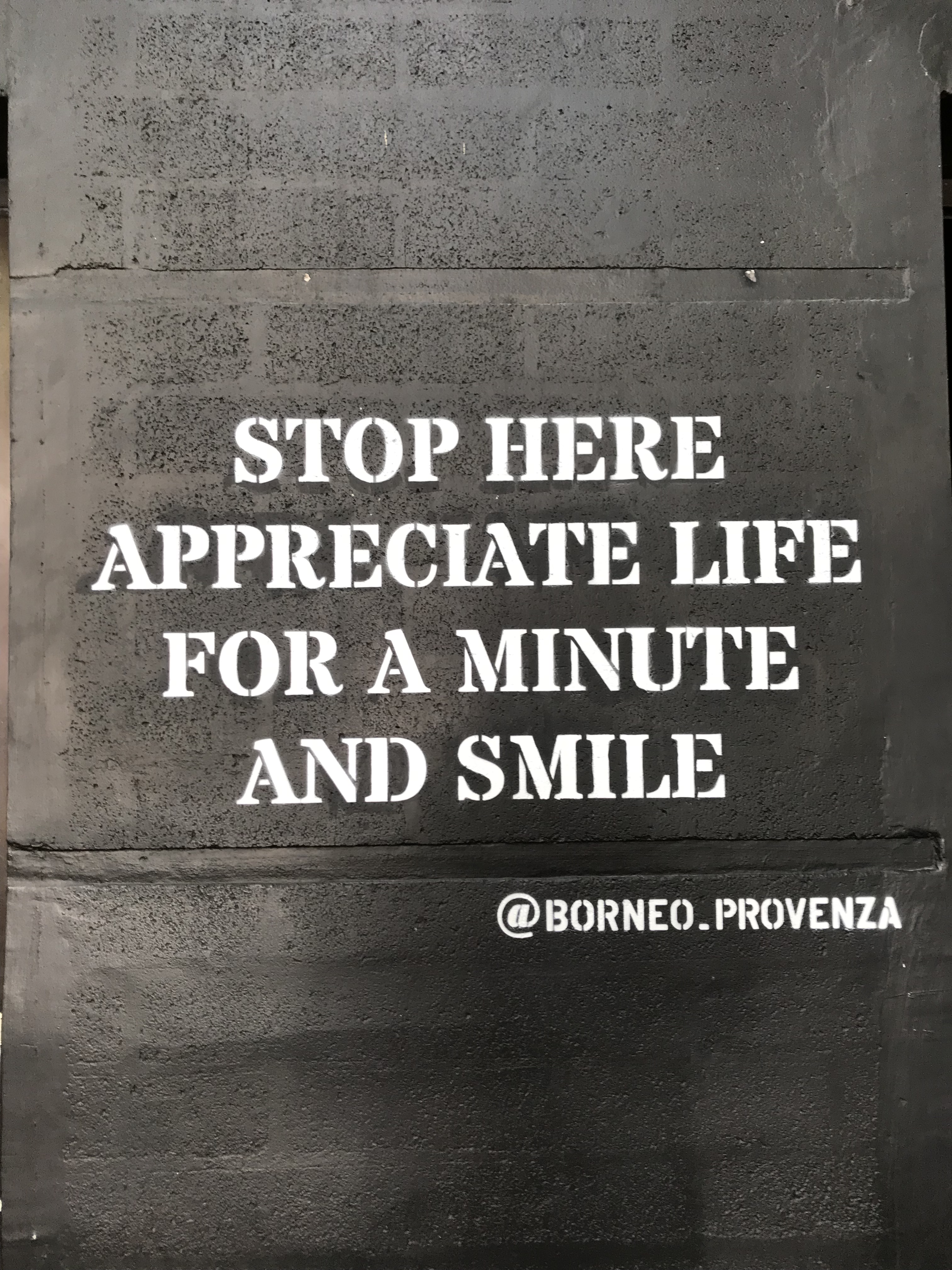
Alone, I could create my own (more casual) agenda. Alone, I could set my own (more leisurely) pace. But when there’s so much to see and so many people to meet, it can be hard to slow things down. During my last two days in Medellin, I spent my time catching up on life in coffee shops and then rushing out to catch up on the rest of the day. I alternated between drifting off in the hostel and then forcing myself to socialize after I heard voices drifting through my window. I was being pulled in two different directions. On one side: my desire to relax, to create a routine, to rest. On the other: a compulsion to plan, to pack it all in, to put myself out there. In between, a travel purgatory.
Bogotá
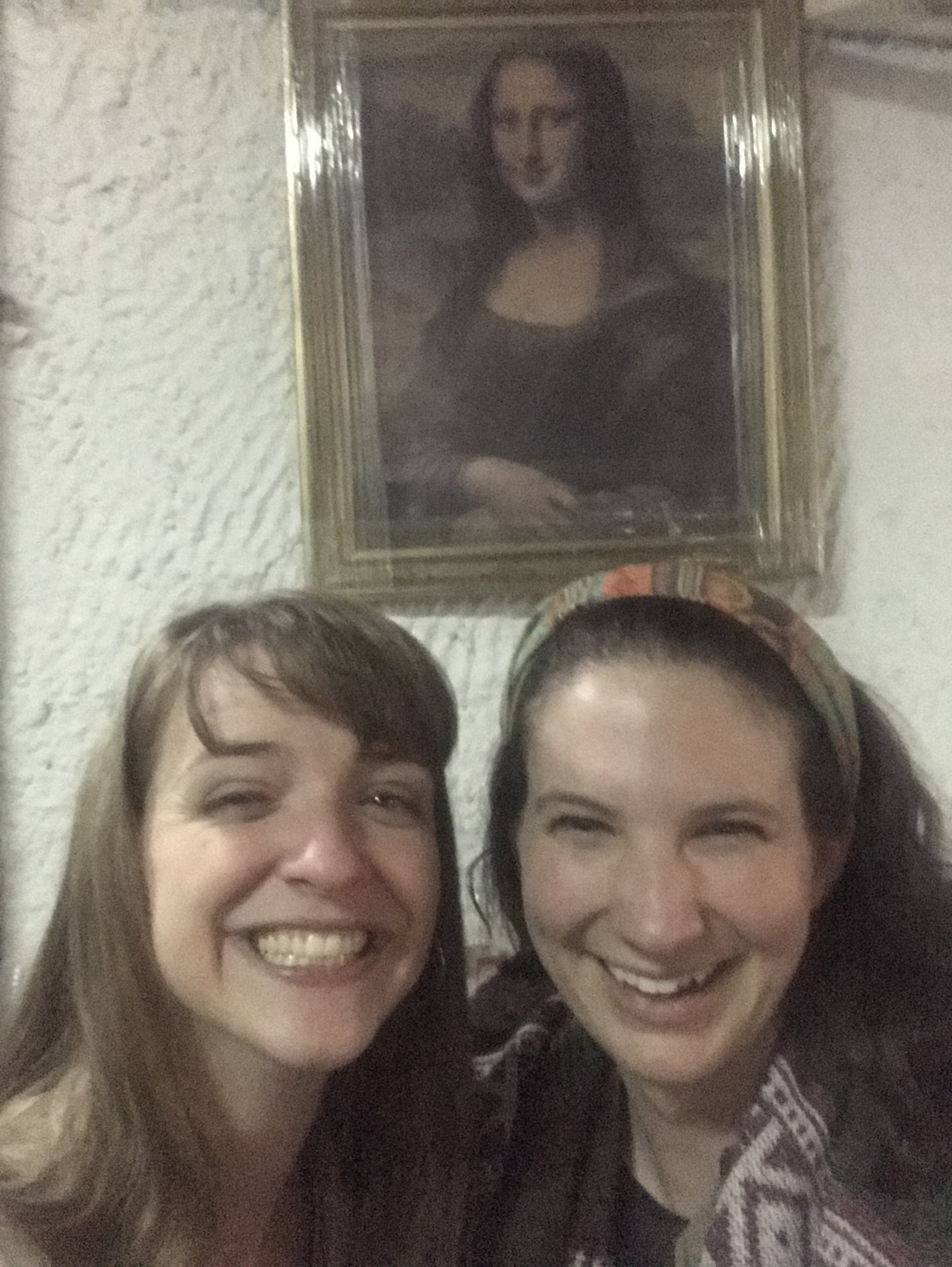
But in Bogotá, something shifted. For me, the city was full of creature comforts and familiar faces. I got in touch with Christine, an old soccer friend from Tufts, who’d lived in Colombia for four years. We drank wine at her apartment, caught up on life, and hopped around to different dive bars—the perfect combination of social and low key.
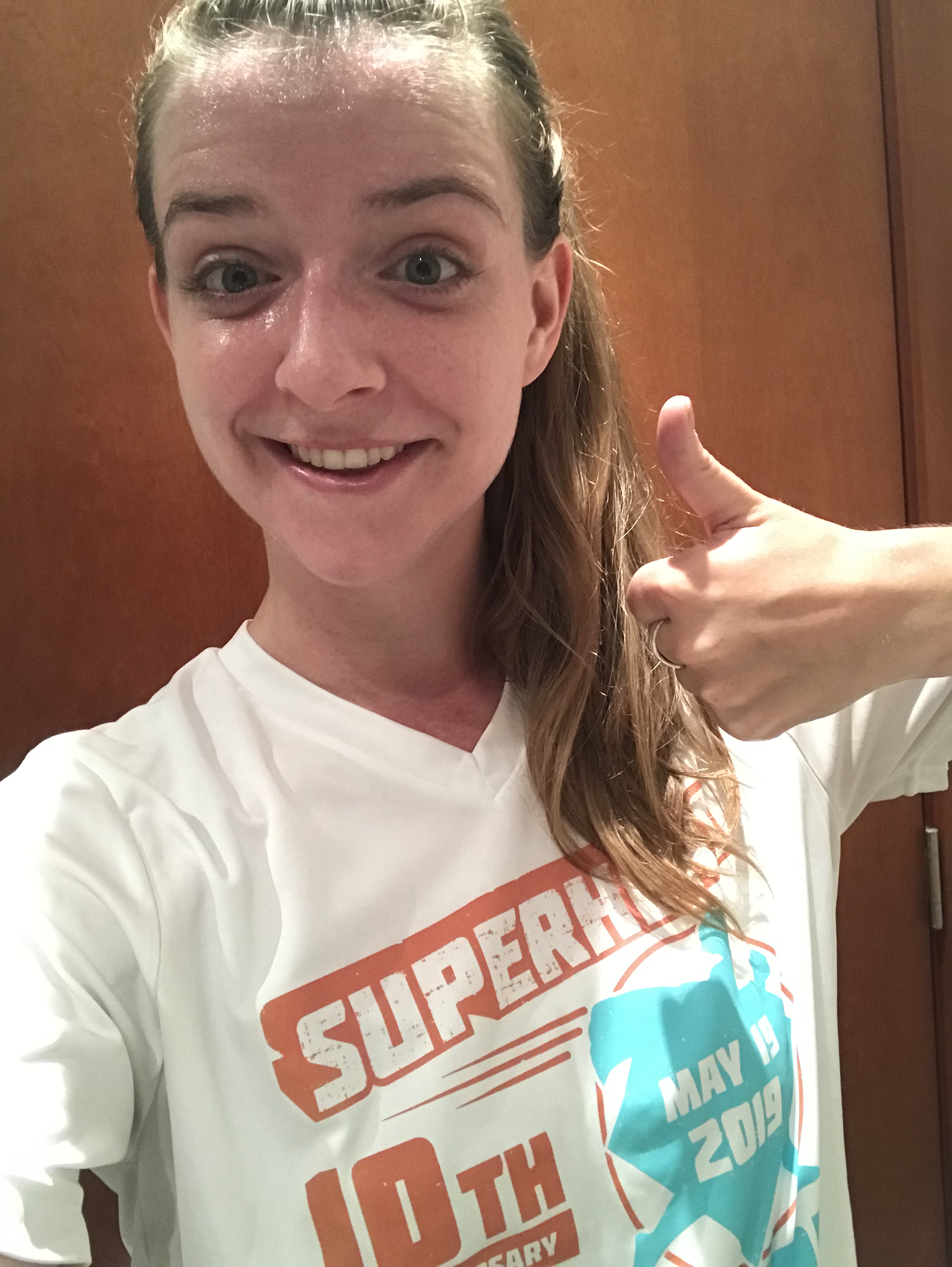
A day later, I cabbed over to Chico, a residential neighborhood in the north, to stay with my dad’s friend, Chris Kraul, a former journalist for the LA Times based in Colombia. Staying at Chris’s made me feel like real person again, instead of like a nomad. There, I ate vegetables (something that was so, so necessary after weeks of pan, queso, y comidas fritas). I slept in a cloud-like bed and woke up late, without being disturbed by strangers. I took long, hot showers in sparkling clean bathrooms. And, best of all, I went on a run through the loveliest park full of athletes, families, and hundreds of happy dogs. After months of moving non-stop, it was a real gift to stop and smell the roses in a different way.
I realize that the little luxuries I experienced in Bogota—the tranquillity, the comfort, and the ability to feel more settled—were special. But these luxuries, however uncommon they may be in the future, offered an important lesson that I’ll take with me everywhere: balance. Because there are always going to be more sights to visit. More restaurants to try. More conversations to have. Especially in big cities, it’s impossible to squeeze everything in, since there’s always something new to explore. So I’m going to make an effort to appreciate an afternoon spent at a cafe just as much as an evening out with new friends. I refuse to be sorry if I want to move slow (or fast). I won’t feel bad about all the things I couldn’t do, but rather focus on the amazing experiences I did have. And I’m saying goodbye to my FOMO, too. There’s no room for it in my backpack, anyway.
Todo mi amor!
Caroline
 The Jankiest Journey