Tired of travel
As much as I loved Southeast Asia, it also pushed me to my limits. I was there during months five and six of my travels. At this point, the JANK was becoming too real. The holes in my shoes were growing bigger and more plentiful. The clothes in my backpack needed to be burned (incinerated is actually a better term). The hostels were wearing me down.
I was starting to miss Western conveniences, too. I wanted to sit on a toilet, not pee in a hole in the ground. I wanted toilet paper, too. The English language! Tap water I could drink! Food that had been sanitized! (Although, God bless—I never got food poisoning from any street meat. Turns out my stomach is actually my superpower.)
Individually, these tiny vexations were just that: nuisances and nothing more. But cumulatively, they forced me to begin thinking about a return date. After all, I initially had said I’d be away four to six months. That window had come and, now, was almost gone … and I still didn’t know what was next.
After a few days of planning (an activity I came to truly loathe), I finally had an answer. I would spend most of December in Vietnam. Then, right after Christmas, I would fly to New Zealand for over a month before heading back to California at the end of January. New Zealand, I reasoned, would be Western enough … enabling me to continue traveling without burning out, and easing me back into the customs and culture of home before I actually arrived.
Structure and signage and safety, oh my!
And New Zealand did all of that and more. During this leg of my trip, I decided to travel with a company called Stray. To see everything New Zealand has to offer, you really need a car—but I couldn’t afford to rent one alone, and didn’t want to do so with complete strangers. I worried that public buses would only take me to bigger cities, limiting my options. Stray was a hop-on, hop-off bus that felt more like a tour. And while I usually don’t prefer that type of travel, the Stray route went to some pretty cool spots—and enabled me to meet people very easily. It was structured and straightforward and simple. And, most importantly, it meant I didn’t have to use my brain to plan every step of the way. BOOM, done.
But even without the ease and “mindlessness” of Stray, New Zealand would have been a breeze to navigate on my own. Why? Because this country has signage like you’ve never seen before. It puts some of our communications in the States (cough cough, the MTA’s subway signs, cough, cough) to shame. SHAME. Driving down the road? There’s a sign for that. Hiking through a park? There’s a sign for that, too. Going to the beach? Guaranteed signage. Meandering through town? You’re hundo P going to encounter a few PSA’s along the way. Some signs had a more humorous angle. Others were serious warnings. But no matter the tone, no matter the subject, these signs captured the sense of order and organization that is part of the fabric of NZ. So I might as well let them speak for themselves.
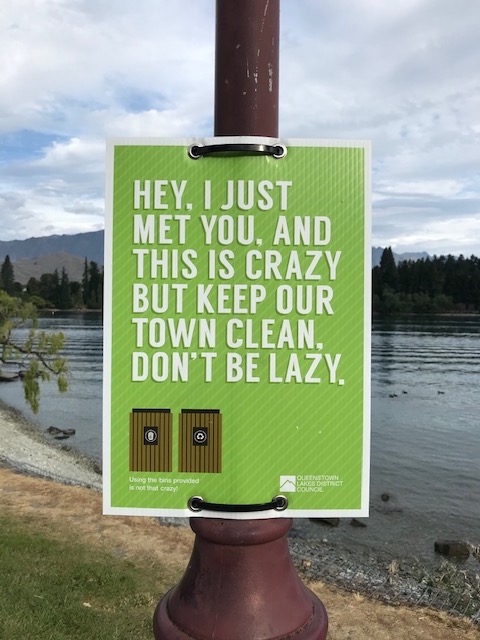
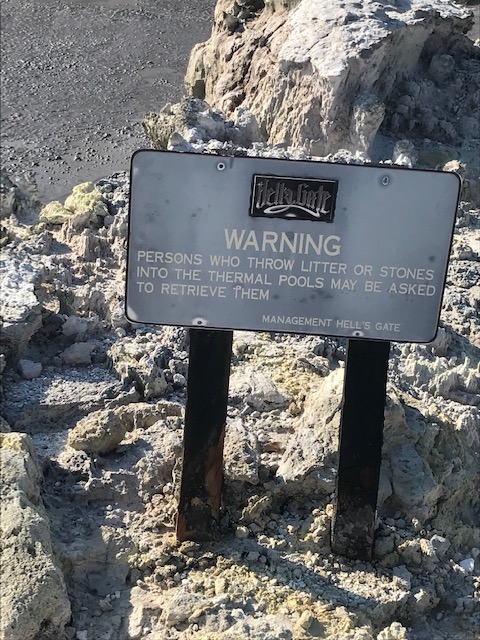
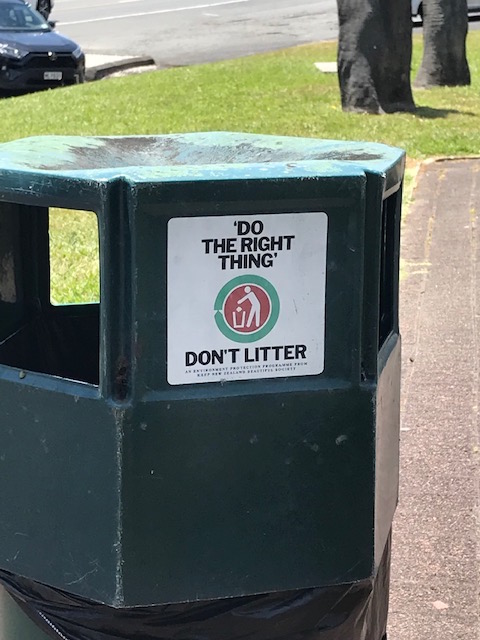
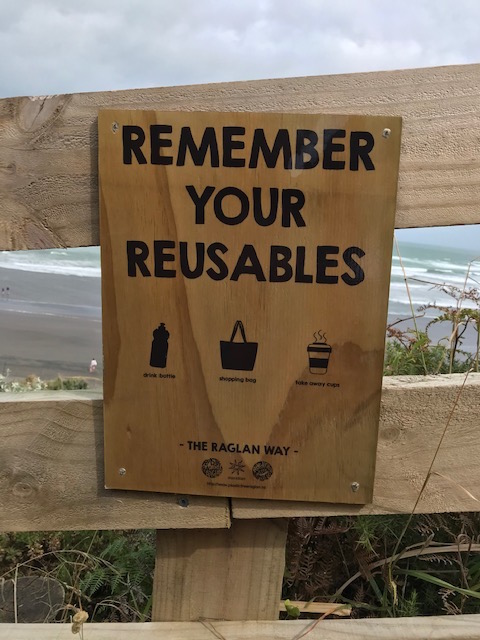
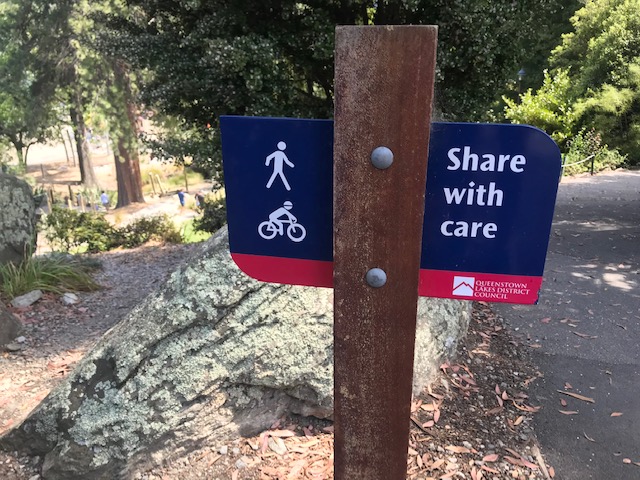
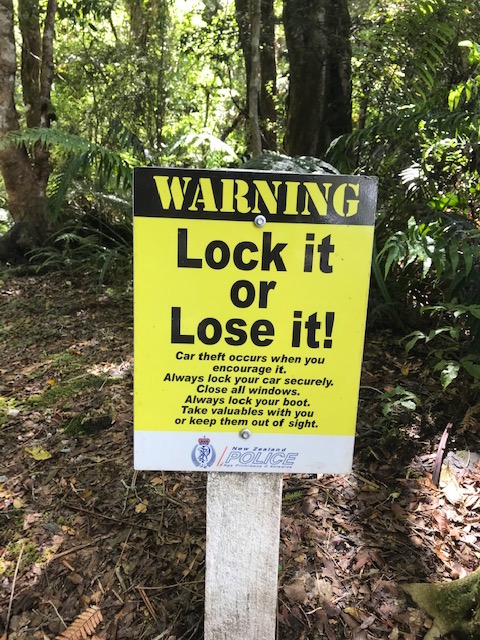
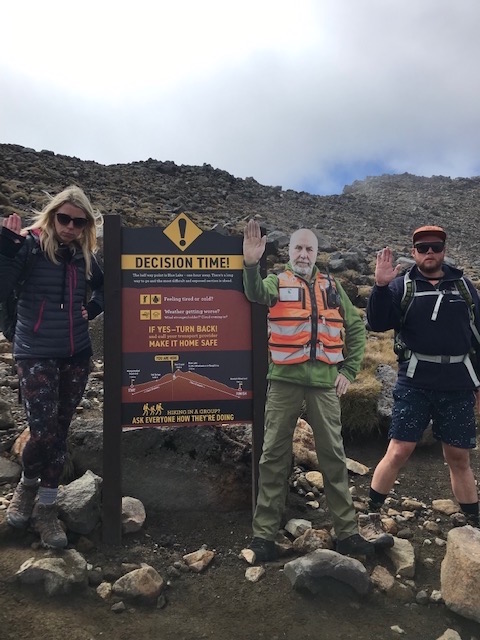
And as if the prolific cautionary signage isn’t enough, New Zealand’s safety initiatives are on another level, too. The Kiwis are known for their plethora of adventure sports—skydiving, bungee jumping, canyoning, paragliding … the list goes on and on. Part of the reason so many people do these activities here is because New Zealand’s safety records are second to none.
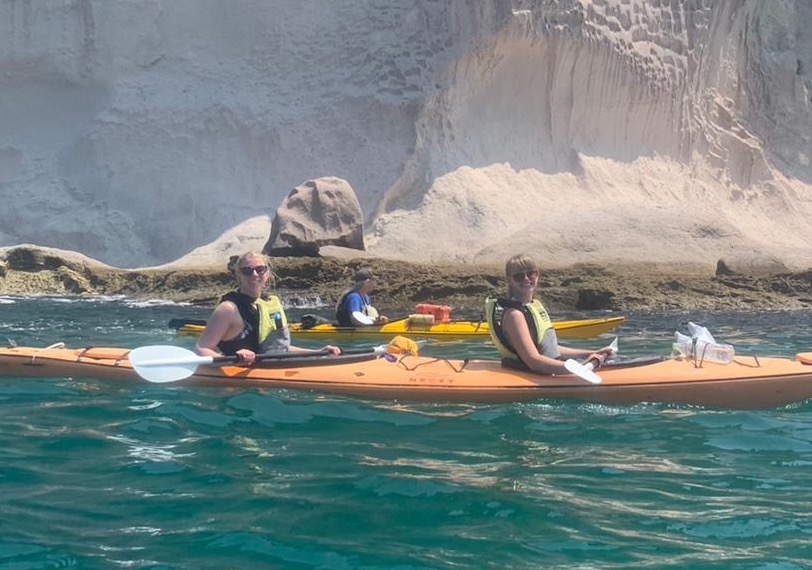
Here’s a good example: In Vietnam, I took a tour of Ha Long Bay where my kayak *literally* sank … twice. Luckily, we were by a little island when it happened, instead of in open water. Two guys in our group paddled out from the main boat to come rescue us, while our Vietnamese tour guide dealt with the capsizing kayak. When he finally returned, he blamed us for letting it “fill with water,” instead of acknowledging the very visible cracks in the exterior. By comparison, the kayaking tour I took of Cathedral Cove in New Zealand included a half-hour introductory session about what to do should an emergency occur! The contrasts were stark.
A different kind of adventure
Having so many rules and regulations made travel in New Zealand more manageable. I felt like I could let my guard down. Breathe. Relax. None of that was ever possible in Asia.
But on the other hand, sometimes New Zealand felt too strict—too sanitized. Once, when calling a shuttle to take me to a trailhead a few miles outside of town, I was denied service because I was only one person.
“Sorry, ma’am. We require two people minimum with each reservation. You need to have a buddy with you on the trail, so you’ll be safe. It’s a liability for us to take you alone.”
Then, there was the time in Wellington where a few friends and I decided to grab spontaneous drinks by the water. The bartender refused to serve me because she couldn’t accept my non-New Zealand driver’s license and I didn’t have my passport (I had safely locked it up in the hostel). All of this, even though the drinking age in New Zealand is 18, and I’m almost a good decade older.
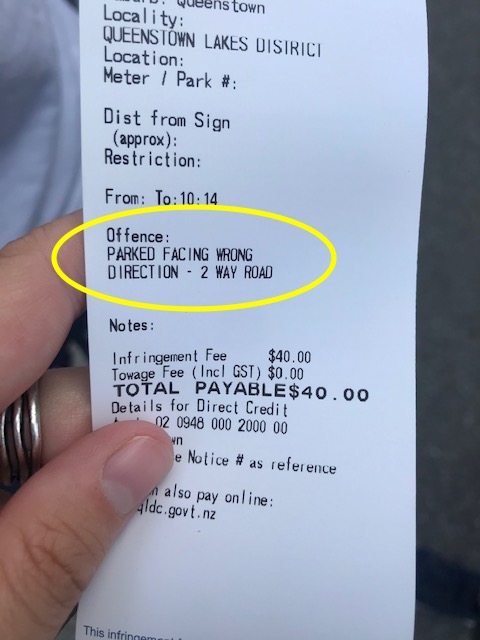
In some cases, New Zealand’s “protective” measures could feel frustrating and overbearing. It was the kind of place where you could—and would—get a write-up for the smallest infraction … like for parking your car in the wrong direction on the street, which my friends, Connor and Dylan, discovered a ticket for one morning. Its lawfulness and discipline made me comfortable and confident. But it also had me craving “real” adventure again—the kind you get a dime a dozen in Bolivia or Bangkok … the thrill of the uncertain, unregulated unknown.
But what it was lacking in excitement, New Zealand made up for in pure, raw beauty—delivering sight after sight of nature to the n-th degree. From glaciers to green rolling hills; from fjords to Redwood forests to remote farms; from lakes and sulfur lagoons to rivers and rocky, volcanic treks.
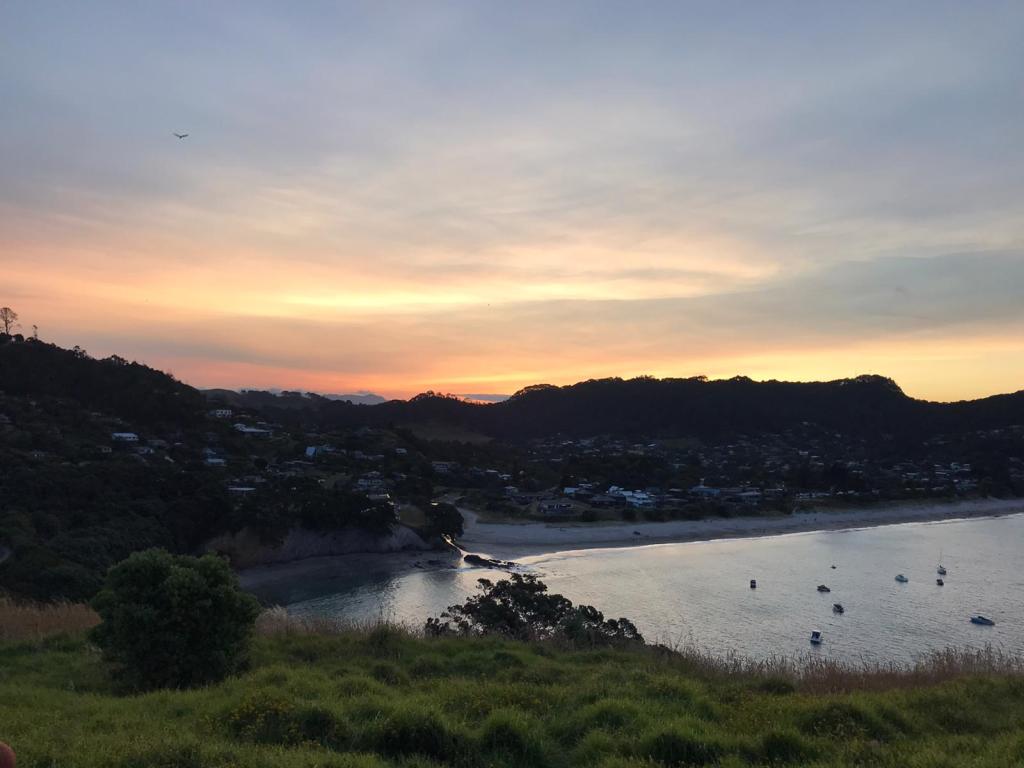
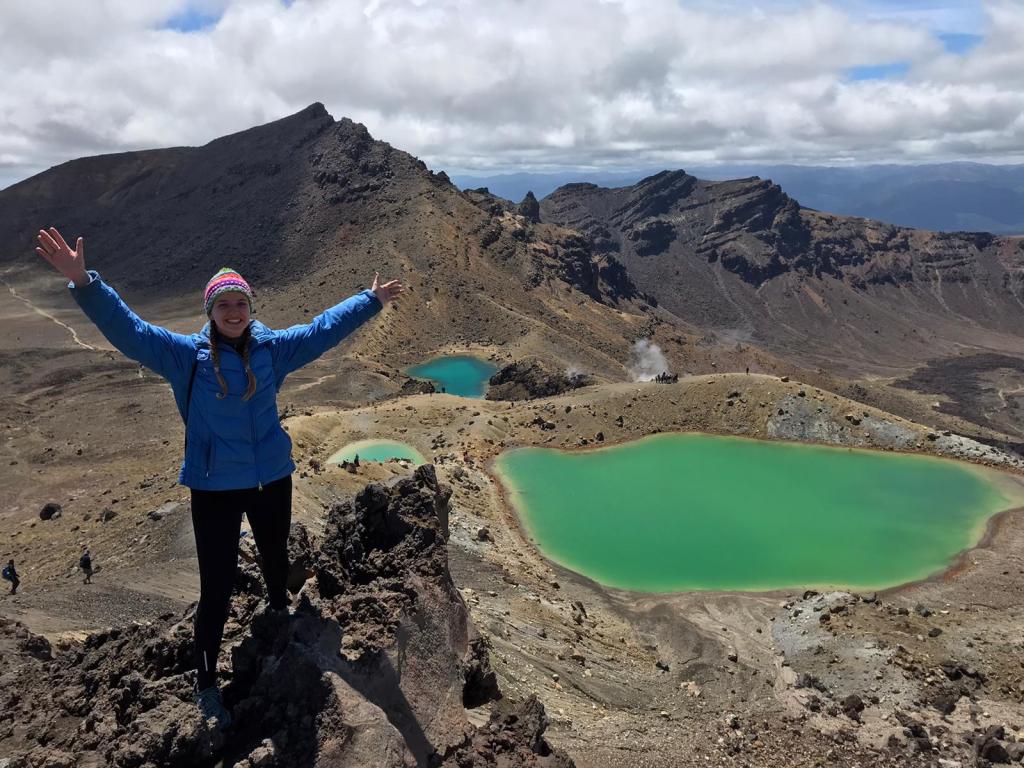
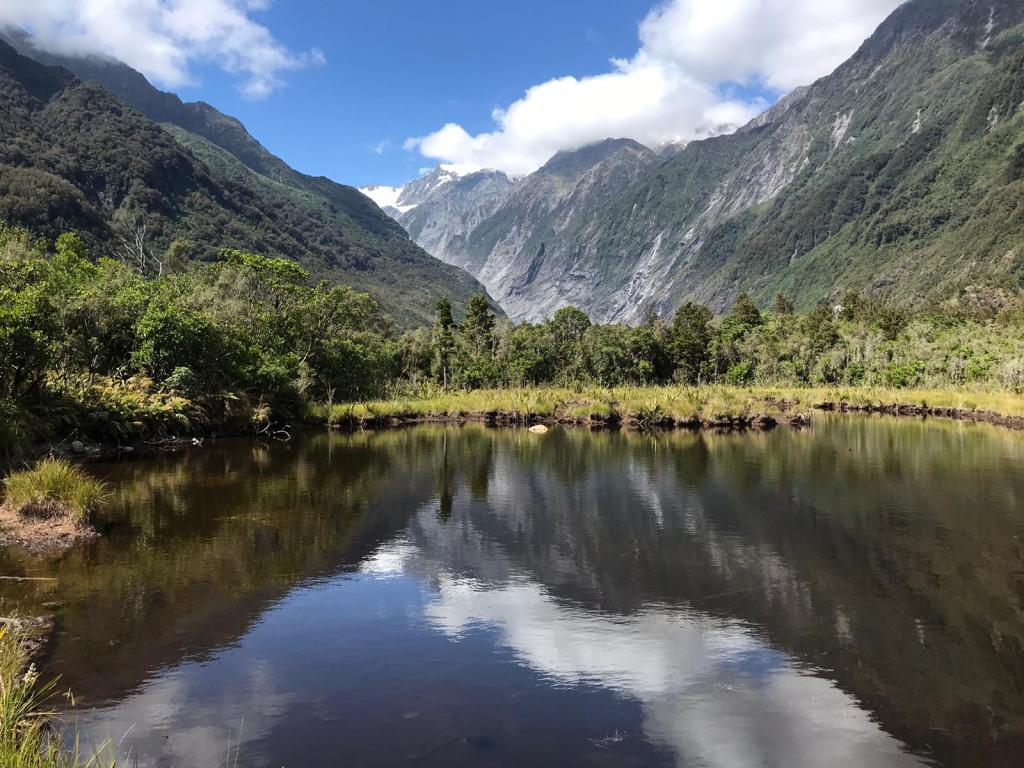
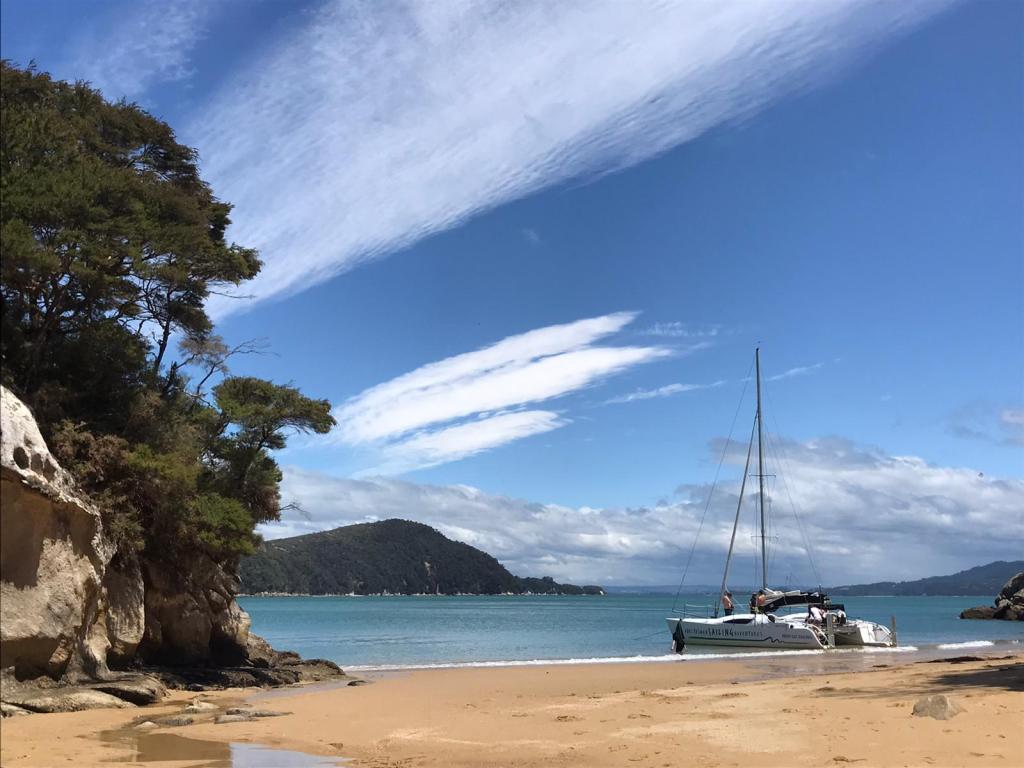
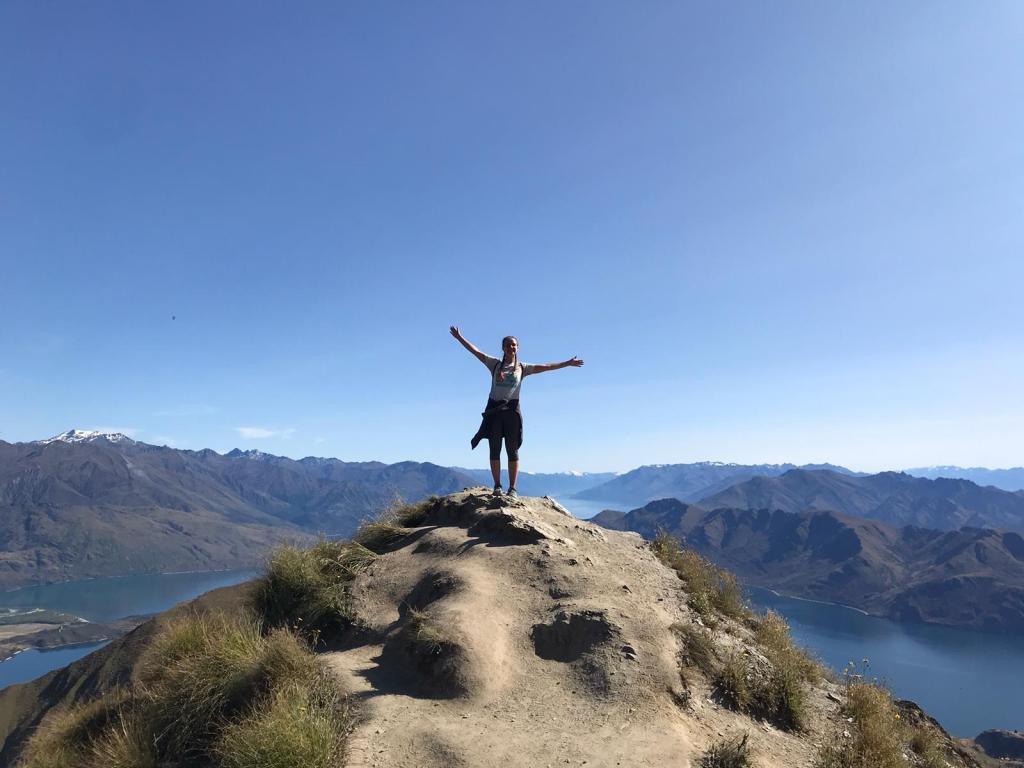
New Zealand was a true marvel. Its rules helped me reset. And its nature rejuvenated me. By the time I had to leave, I was refreshed. Reinvigorated. Ready to go again. Only this time, I knew what was next. I had to go home.
 The Jankiest Journey
One comment